
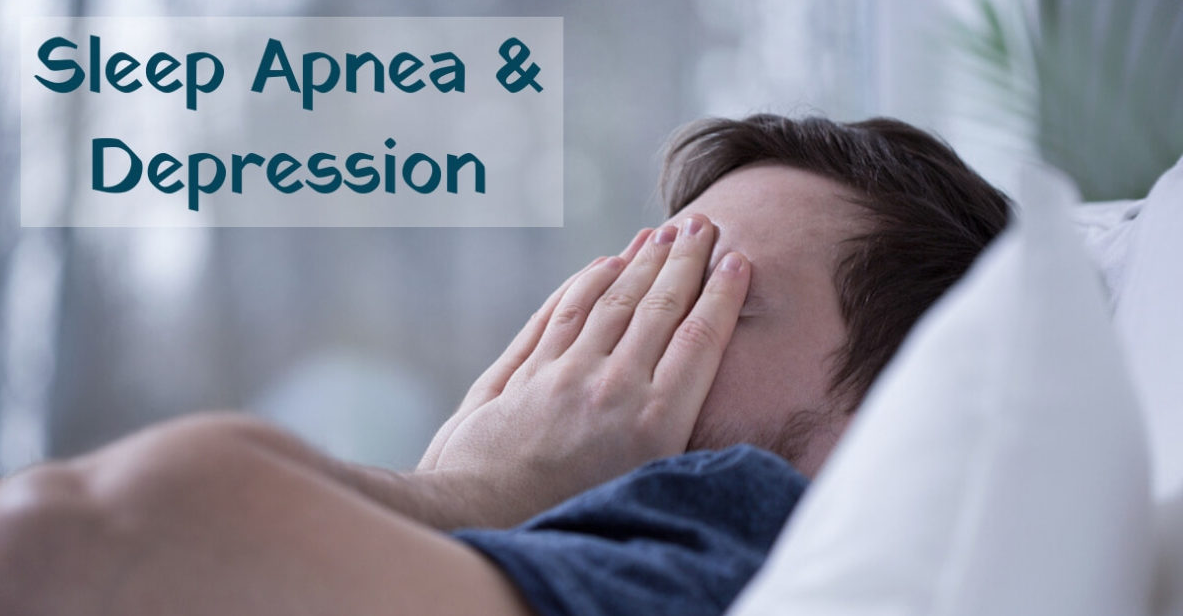
Why Chronic Insomnia, Sleep Apnea & Depression Are Often Linked — And What You Can Do About It
Sleep is not just rest. It is the body’s natural repair system. When sleep is disturbed for a long time, it can affect both the body and the mind. Many people do not realize that chronic insomnia, sleep apnea, and depression are closely connected. These three conditions often exist together and can make each other worse if left untreated.
Understanding this link is the first step toward better sleep, better mood, and better health.
Understanding the Three Conditions
Before looking at how they are connected, let us understand each one in simple terms.
What Is Chronic Insomnia?
Chronic insomnia means having trouble falling asleep or staying asleep at least three nights a week for three months or more. People with chronic insomnia may feel tired, irritated, or unable to focus during the day. Over time, poor sleep affects memory, energy, and emotional balance.
What Is Sleep Apnea?
Sleep apnea is a sleeping disorder where breathing stops and starts during sleep. The most common type is obstructive sleep apnea. It happens when the airway becomes blocked while sleeping. Loud snoring, gasping for air, and daytime sleepiness are common signs. Many people with sleep apnea do not even know they have it.
What Is Depression?
Depression is more than feeling sad. It is a mental health condition that affects how a person thinks, feels, and acts. Symptoms include low mood, loss of interest, tiredness, sleep problems, and difficulty concentrating. Sleep problems are often one of the earliest signs of depression.
How Chronic Insomnia, Sleep Apnea, and Depression Are Linked
These three conditions are strongly connected, and the link works both ways.
Poor Sleep Affects Mental Health
When the brain does not get enough rest, it struggles to manage emotions. Chronic insomnia increases stress hormones in the body. Over time, this can lead to anxiety and depression. People who sleep poorly often feel hopeless, restless, and emotionally weak.
Sleep Apnea Disrupts Deep Sleep
Sleep apnea causes repeated awakenings throughout the night. Even if a person sleeps for many hours, the sleep quality is poor. The brain does not reach deep sleep stages needed for emotional balance. This increases the risk of depression and mood swings.
Depression Makes Sleep Worse
Depression can cause difficulty falling asleep, early morning waking, or oversleeping. Negative thoughts and worry keep the mind active at night. This leads to chronic insomnia, creating a cycle that is hard to break.
The Vicious Cycle Explained
Chronic insomnia, sleep apnea, and depression often create a loop:
- Sleep apnea causes broken sleep
- Broken sleep leads to chronic insomnia
- Long-term poor sleep affects mood and mental health
- Depression then makes sleep problems worse
If one condition is ignored, the others often remain untreated. This is why many people feel stuck and tired even after trying basic sleep remedies.
Common Symptoms That Overlap
Because these conditions are linked, many symptoms are shared:
- Daytime tiredness
- Poor concentration
- Headaches
- Irritability
- Low motivation
- Memory problems
These symptoms are often mistaken for stress or aging, delaying proper treatment.
Why Early Treatment Matters
Ignoring sleep problems can have serious effects. Long-term sleep apnea increases the risk of heart disease and high blood pressure. Chronic insomnia treatment weakens the immune system. Depression affects work, relationships, and overall quality of life.
Treating sleep and mental health together leads to better and faster recovery.
What You Can Do About It
The good news is that help is available. Small changes and proper care can make a big difference.
- Improve Sleep Habits
Healthy sleep habits support both sleep and mental health.
- Go to bed and wake up at the same time daily
- Avoid screens one hour before sleep
- Keep the bedroom quiet, dark, and cool
- Avoid caffeine late in the day
These steps help reduce chronic insomnia naturally.
- Get Checked for Sleep Apnea
If you snore loudly, feel tired during the day, or wake up gasping for air, consult a doctor. A sleep study can diagnose sleep apnea. Treating sleep apnea often improves mood and energy levels quickly.
- Address Mental Health Openly
Depression is a medical condition, not a weakness. Talking to a mental health professional can help manage negative thoughts and emotional stress. Therapy and lifestyle changes often improve both depression and sleep quality.
- Stay Physically Active
Light exercise like walking or stretching improves sleep and mood. Physical activity helps regulate sleep cycles and reduces symptoms of depression.
- Practice Relaxation Techniques
Deep breathing, meditation, and calming bedtime routines help quiet the mind. These techniques are especially useful for people with chronic insomnia linked to stress or depression.
When to Seek Professional Help
If sleep problems last more than a few weeks, or if sadness and tiredness affect daily life, professional help is important. Treating only one condition may not work. A combined approach that looks at sleep apnea, chronic insomnia, and depression together offers the best results.
Final Thoughts
Chronic insomnia, sleep apnea, and depression are closely connected. They affect both the body and the mind. Poor sleep worsens mental health, and poor mental health worsens sleep. Breaking this cycle requires understanding, patience, and the right support.
By improving sleep habits, addressing breathing issues during sleep, and taking mental health seriously, long-term relief is possible. Better sleep leads to a better mood, sharper thinking, and a healthier life overall.
If you are struggling, remember you are not alone—and help is available.